So What's In the Soaps You're Actually Using?
By Kimmy · May 9, 2026
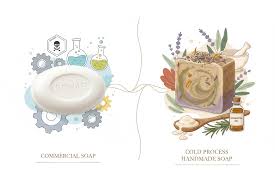
Walk down any grocery store aisle and you’ll find shelves filled with familiar soap brands. Most of us grew up using these products without ever thinking twice about the ingredient list on the back of the package.
But not all soap bars are created the same.
Commercial vs. Handmade
Commercial soap bars are designed for mass production, long shelf life, and consistency. Handmade soaps are crafted in small batches using carefully selected oils and butters that create a completely different experience for your skin.
Many commercial “soap” bars are not actually traditional soap in the classic sense. Some are considered cleansing bars or beauty bars made with synthetic detergents and additives designed to create a uniform product that can sit on store shelves for years.
Traditional handmade soap is made through a process called saponification — combining oils and sodium hydroxide to create soap and naturally occurring glycerin.
That difference matters because ingredient choices directly affect:
-How your skin feels after washing
-How drying or moisturizing a bar may feel
-The amount of additives and synthetic ingredients used
-The overall quality of the cleansing experience
Closer Look at Common Ingredients in Commercial Bars
Common ingredients include:
-Sodium Lauroyl Isethionate
-Stearic Acid
-Sodium Palmitate
-Sodium Tallowate
-Sodium Cocoate
-Antibacterial additives in certain varieties
-Titanium Dioxide
-Preservatives and stabilizers
These ingredients are not necessarily “bad,” but they are typically chosen for manufacturing efficiency, shelf stability, and cost-effective production on a massive scale.
Some people find heavily fragranced or highly cleansing commercial bars leave their skin feeling tight or dry after repeated use.
Why I Chose Simpler Ingredients
When I make soap, my focus is not mass production or extending shelf life for years at a time. My goal is to create a bar that feels nourishing, gentle, and enjoyable to use every single day.
That starts with simpler ingredients.
Instead of long ingredient lists filled with stabilizers and synthetic detergents, my soaps are made with carefully selected oils and butters that have been traditionally used in soapmaking for generations.
Many customers notice differences such as:
-Skin feeling softer after washing
-Less tightness or dryness
-Creamier lather
-More natural scents
-A more luxurious bathing experience
Handmade soap is not about creating the cheapest bar possible. It is about creating a better experience for your skin.
Ingredients and Why I Use Them:
-Olive Oil - Creates a gentle and conditioning bar
-Coconut Oil - Adds a cleansing and bubbly lather
-Shea Butter - Gives a creamy, moisturizing feel
-Castor Oil - Helps create a stable, rich lather
-Tallow - Provides deep hydration and gentle cleansing
-Babassu Oil - Provides excellent cleansing properties while leaving skin feeling conditioned
Handmade Soap Naturally Retains Glycerin
During the handmade soapmaking process, glycerin is naturally created.
Glycerin is known for helping attract moisture to the skin, which contributes to the creamy, conditioned feel many people notice when switching to handmade soap.
In many large-scale commercial soap manufacturing processes, glycerin is removed and used in other beauty products instead.
Handmade soap keeps that naturally occurring glycerin right in the bar.
Choosing What’s Best for Your Skin
Commercial soaps have their place. They are affordable, easy to find, and designed for consistency.
But if you are looking for:
-Simpler ingredients
-Small-batch craftsmanship
-Rich natural oils and butters
-A gentler cleansing experience
-A more thoughtful approach to skincare
then handmade soap may be the better fit for you.
Every bar I make is carefully crafted with quality ingredients and attention to detail because what you put on your skin matters.
Your skin deserves more than just soap — it deserves ingredients chosen with purpose.
Keep Life Bubbly
-Kimmy